Godzilla Has a Seafloor Named After Him, and It's Now World Heritage Geology
The Godzilla Megamullion, a mantle dome three times the size of Tokyo south of Japan, has joined the IUGS list of the world's most important geological sites.
Somewhere under the Pacific, southeast of the remote island of Okinotorishima, there's a lump of the Earth's mantle so big it was named after Godzilla. This month it became official world heritage geology.
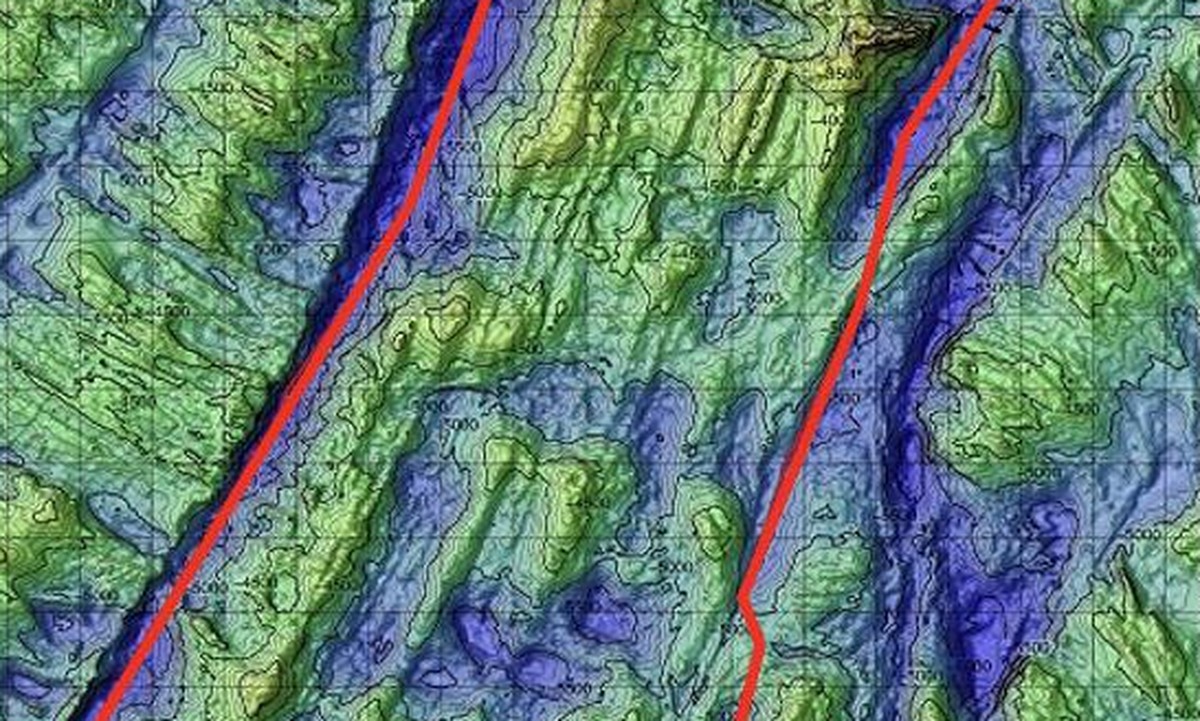
The Japan Coast Guard found the Godzilla Megamullion in 2001 while mapping the seabed to set the limits of Japan's continental shelf. According to the coast guard it measures about 125km long and 55km wide, roughly three times the area of Tokyo and about ten times the size of other megamullions, which makes it the largest one known on Earth.
A megamullion is a dome that forms when big faults on a spreading seafloor slide the crust away and leave mantle rock exposed on the ocean floor. The surface ends up covered in long parallel ridges, which you can see running across the coast guard's relief map.
At a meeting in Portugal from 4 to 6 November, the International Union of Geological Sciences announced its third list of 100 Geological Heritage Sites, and for the first time it included places linked to the ocean. Six made it, the Godzilla Megamullion among them, alongside the Challenger Deep and the Galápagos hydrothermal system.
The name was registered internationally in 2021, and 14 individual features on the dome were named in 2022. The coast guard says it was the first megamullion anywhere to get internationally registered names. An international research group centred on Japan has used it to study how the Philippine Sea plate formed and what the upper mantle is made of.
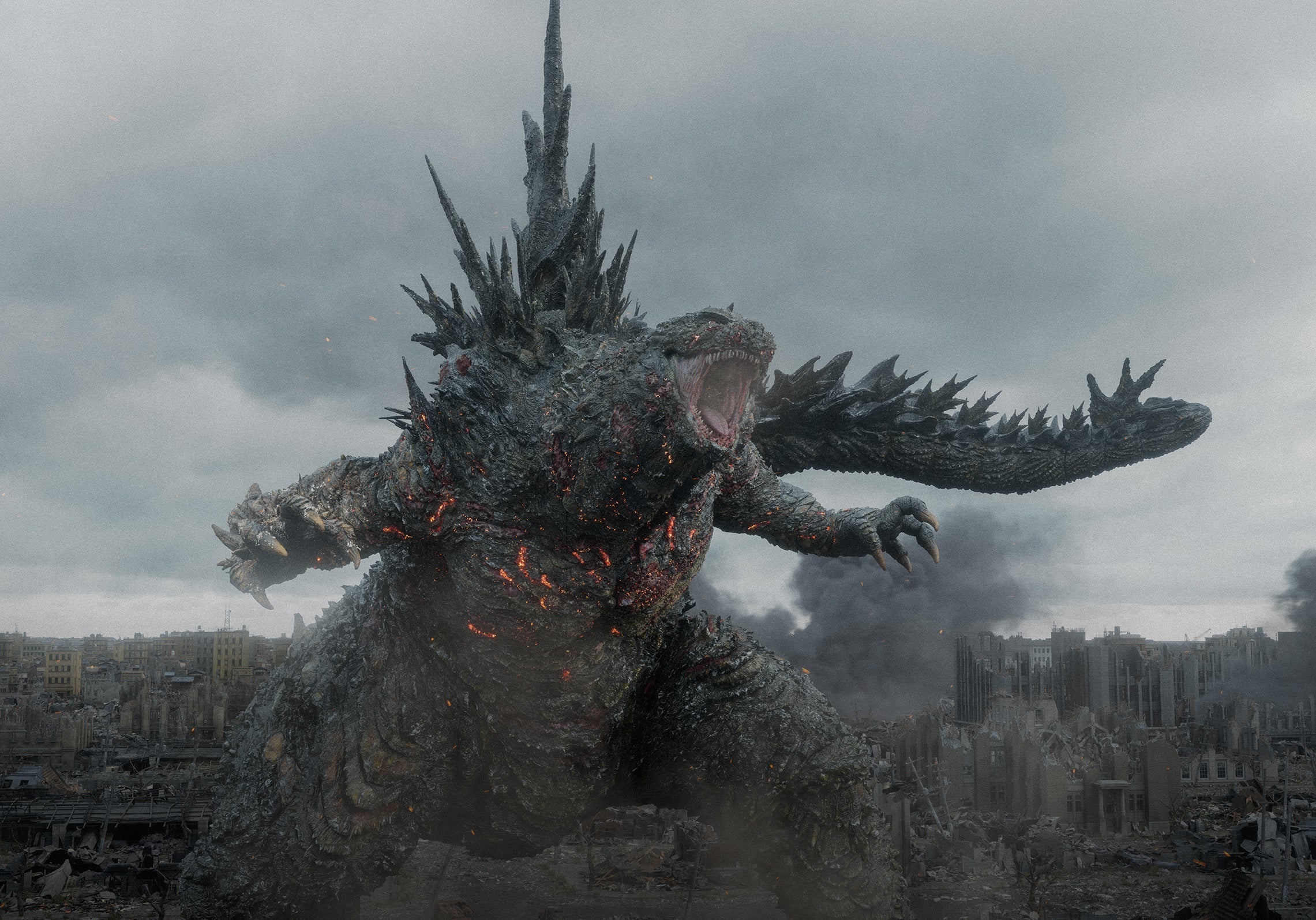
Toho, which owns Godzilla, put out its own release on 9 November. In translation, the studio said it found it deeply meaningful that its monster is now tied to a piece of earth science history.
The kaiju himself has yet to comment.